How to Build a Partner Commander Deck in MTG Building a strong Partner Commander deck requires careful coordination between two commanders that support the same strategy
Boring, but Practical: His main power is to basically get an extra action to play an Ally for one less resource as well, and he will eventually run out of space where to put them, but it still gives Leo a significant edge in both action economy and straight economy, and let's him quickly replace cheap, expendable Allies he can use as cannon fodder
Pack Breakdown: 3 Traditional foil commons
Amoeboid Changeling Avian Changeling Barkform Harvester Blades of Velis Vel Bloodline Pretender Cairn Wanderer Chameleon Colossus Changeling Berserker Changeling Hero Changeling Outcast Changeling Sentinel Changeling Titan Changeling Wayfinder Chitinous Graspling Chomping Changeling Crib Swap Ego Erasure Feisty Spikeling Firdoch Core Fire-Belly Changeling Flock Impostor Formless Genesis Game-Trail Changeling Gangly Stompling Ghostly Changeling Gladewalker Ritualist Graveshifter Guardian Gladewalker Impostor of the Sixth Pride Irregular Cohort Littjara Glade-Warden Littjara Kinseekers Masked Vandal Mirror Entity Mischievous Sneakling Mistwalker Moonglove Changeling Moritte of the Frost Morophon, the Boundless Mothdust Changeling Mutable Explorer Nameless Inversion Omni-Changeling Orvar, the All-Form Prideful Feastling Realmwalker Rooftop Percher Shapesharer Shields of Velis Vel Sizzling Changeling Skeletal Changeling Taurean Mauler Three Tree Mascot Turtleshell Changeling Universal Automaton Unsettled Mariner Valiant Changeling Venomous Changeling War-Spike Changeling Webweaver Changeling Wings of Velis Vel Woodland Changeling

Inspired by the Crown Tundra area from the Sword & Shield video games Snow and ice aesthetic throughout the set Heavy Galar region influence Focus on Galarian forms like the Legendary Birds and Calyrex 4










:max_bytes(150000):strip_icc()/GettyImages-758312269-e8f09e45f7614626a9526273bb03c1fc.jpg)
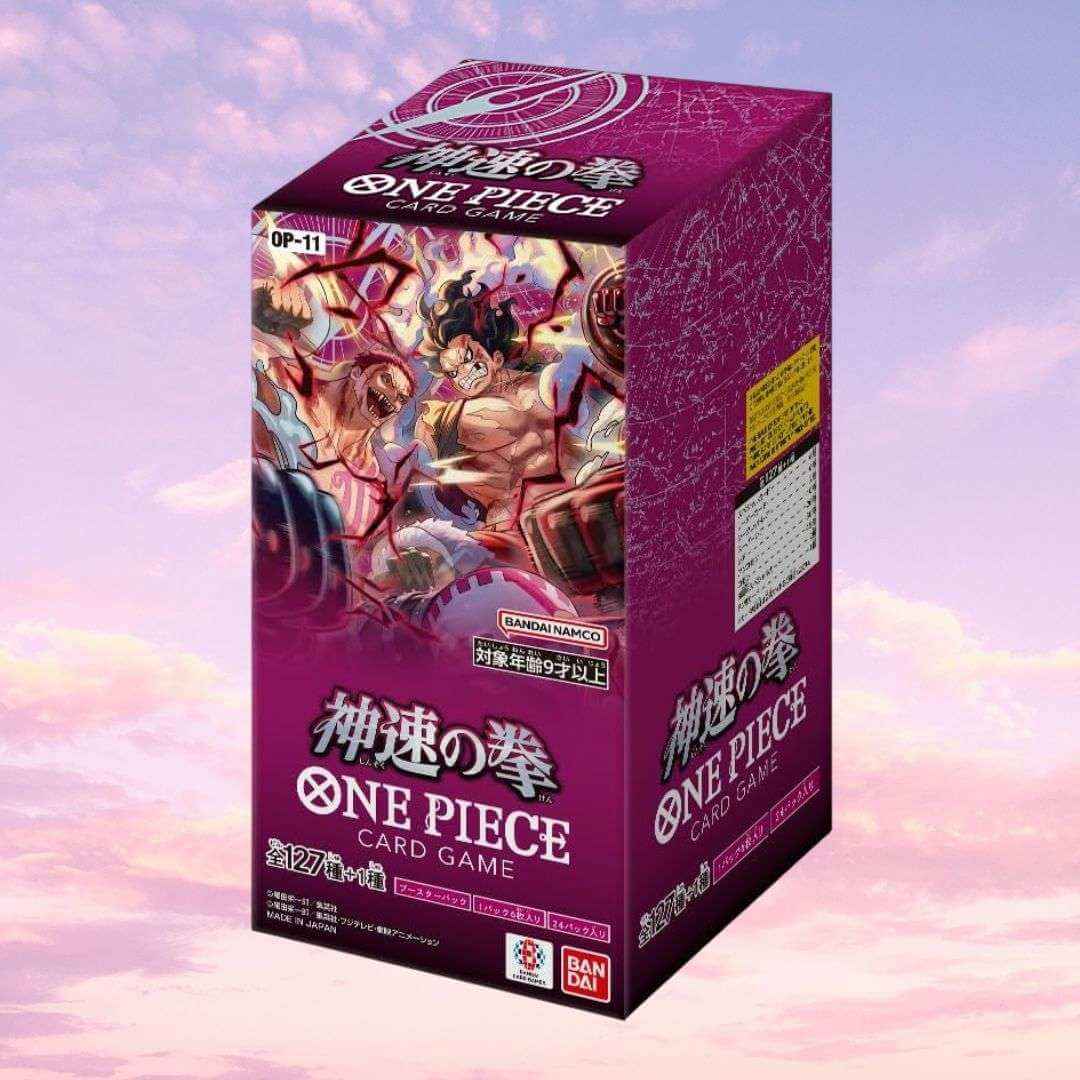
![One Piece A Fist of Divine Speed (OP-11) Booster Box [English]](https://tcgking.nl/cdn/shop/files/OP16BoosterBoxEnglish.png?v=1780862223&width=600)