Research is ongoing to determine its exact benefits and safety
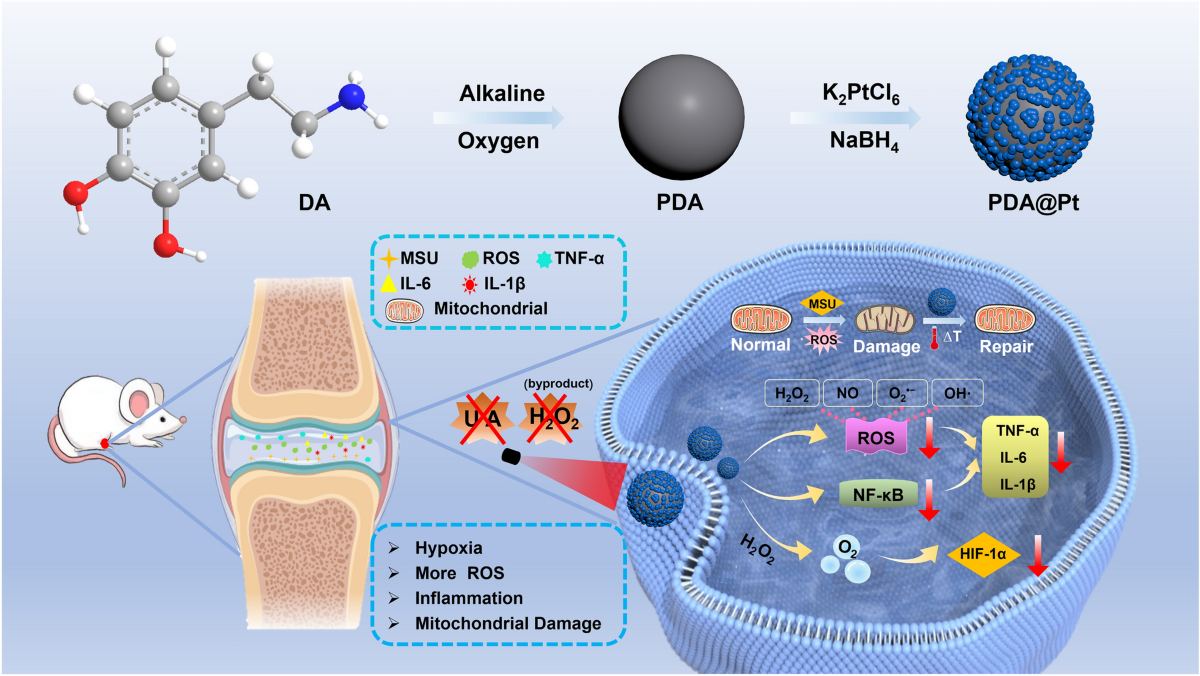
Platelet or vascular redox state, endogenous or exogenous antioxidants, and the production of reactive oxygen and nitrogen species are all potential factors in platelet-dependent thrombus development (156)
Avoid very cheap options, as high-quality peptides need advanced synthesis and testing

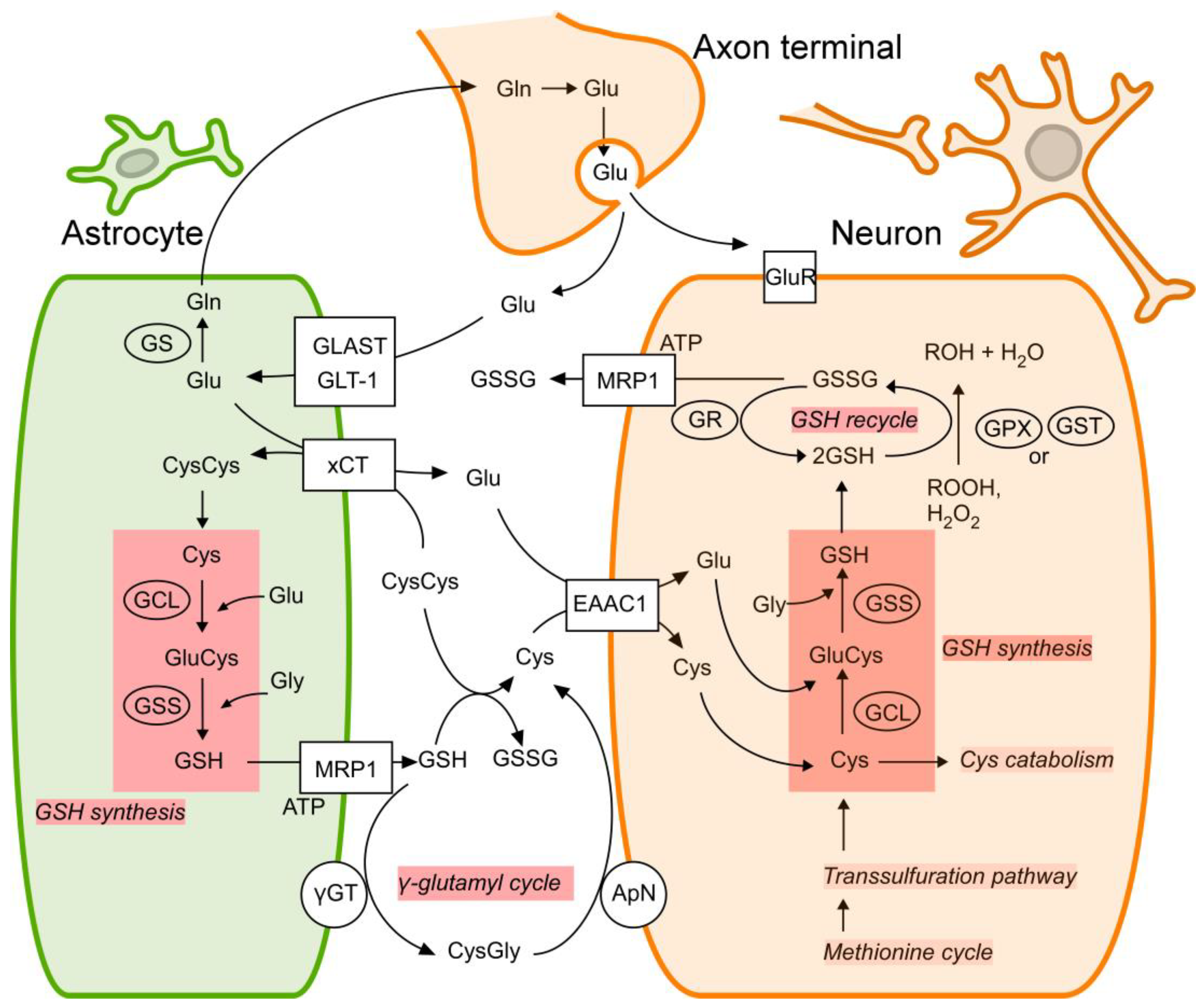
Source: Frontiers in Physiology Source: Endocrine Reviews Mitochondrial damage is implicated as a major contributing factor for a number of noncommunicable chronic diseases such as cardiovascular diseases, cancer, obesity, and insulin resistance/type 2 diabetes. A wide range of seemingly unrelated disorders have underlying pathophysiological mechanisms in common, namely reactive oxygen species (ROS) production, the accumulation of mitochondrial DNA (mtDNA) damage, resulting in mitochondrial dysfunction: Schizophrenia Bipolar disease Dementia Alzheimers disease Epilepsy Migraine headaches Strokes Neuropathic pain Parkinsons disease Ataxia Transient ischemic attack Cardiomyopathy Coronary artery disease Chronic fatigue syndrome Fibromyalgia Retinitis pigmentosa Diabetes Hepatitis C Primary biliary cirrhosis More How Mitochondria May Affect Cognitive Function When someone has cognitive impairment , their ability to think, learn, remember, use judgment, and make decisions is affected, often by an underlying condition
Zarezadeh R, Mehdizadeh A, Leroy J, Nouri M, Fayezi S, Darabi M