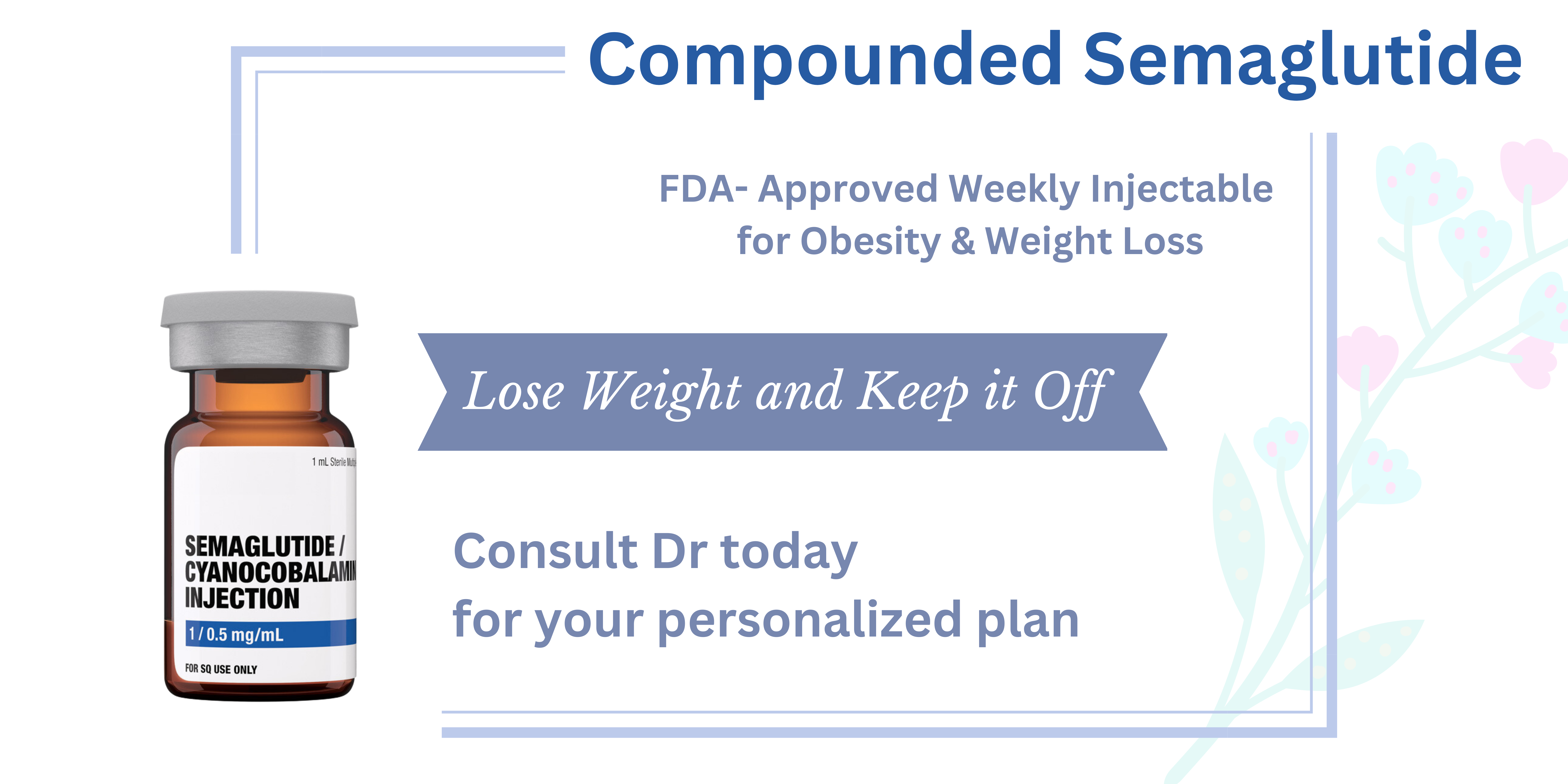
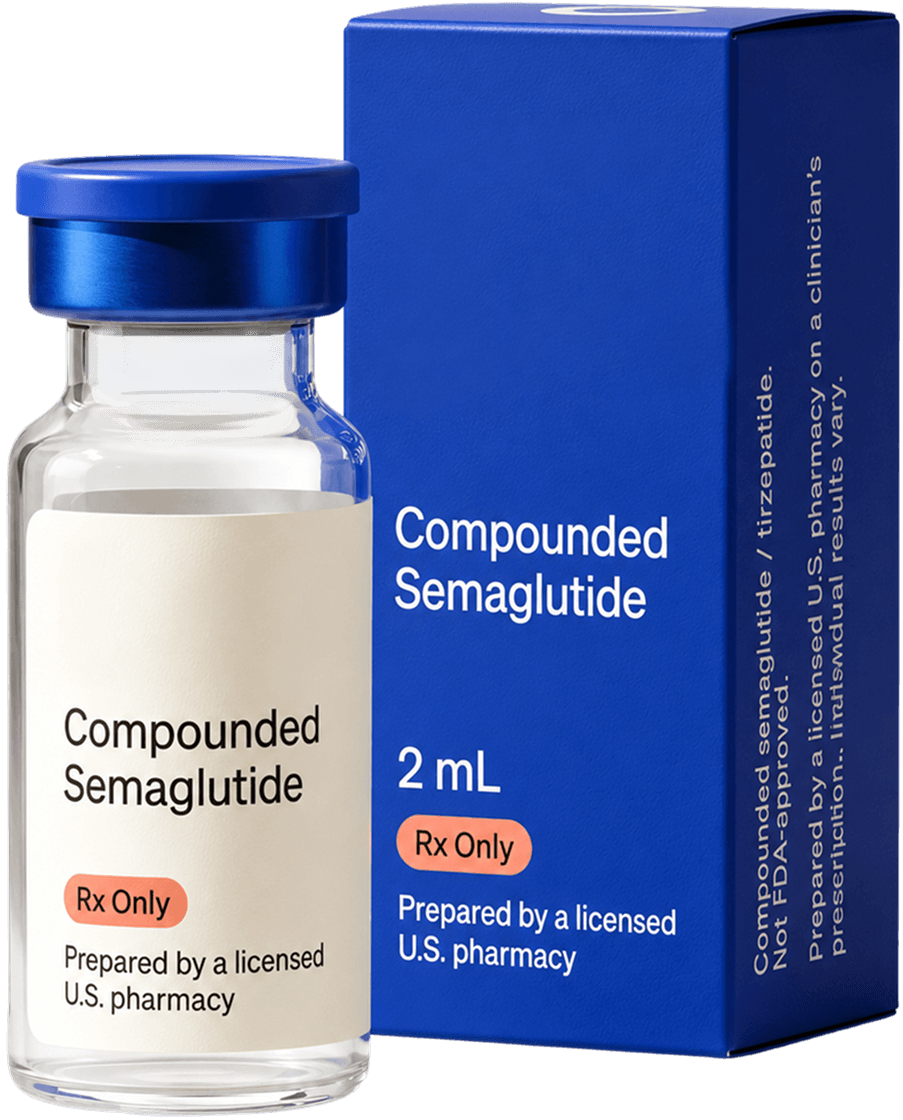
As a result, the regulatory framework governing compounded GLP-1 medications continues to change

Contact your GP or bariatric team if you experience: Persistent dizziness or lightheadedness that does not resolve within a few weeks of surgery Recurrent episodes of fainting or near-fainting A noticeably rapid or irregular heartbeat, particularly when standing Worsening fatigue that is disproportionate to your level of activity Symptoms that are significantly affecting your ability to carry out daily tasks Any neurological symptoms such as tingling, numbness, or weakness in the limbs which may suggest nutritional neuropathy Seek urgent medical attention (via 999 or A&E) if you experience: Loss of consciousness Chest pain, severe palpitations, or breathlessness Abdominal pain, fever, or collapse particularly in the early post-operative period, as these may indicate a serious surgical complication such as anastomotic leak, haemorrhage, or pulmonary embolism Sudden severe weakness or difficulty speaking If POTS is suspected, your GP can initiate basic investigations before referring to an appropriate specialist
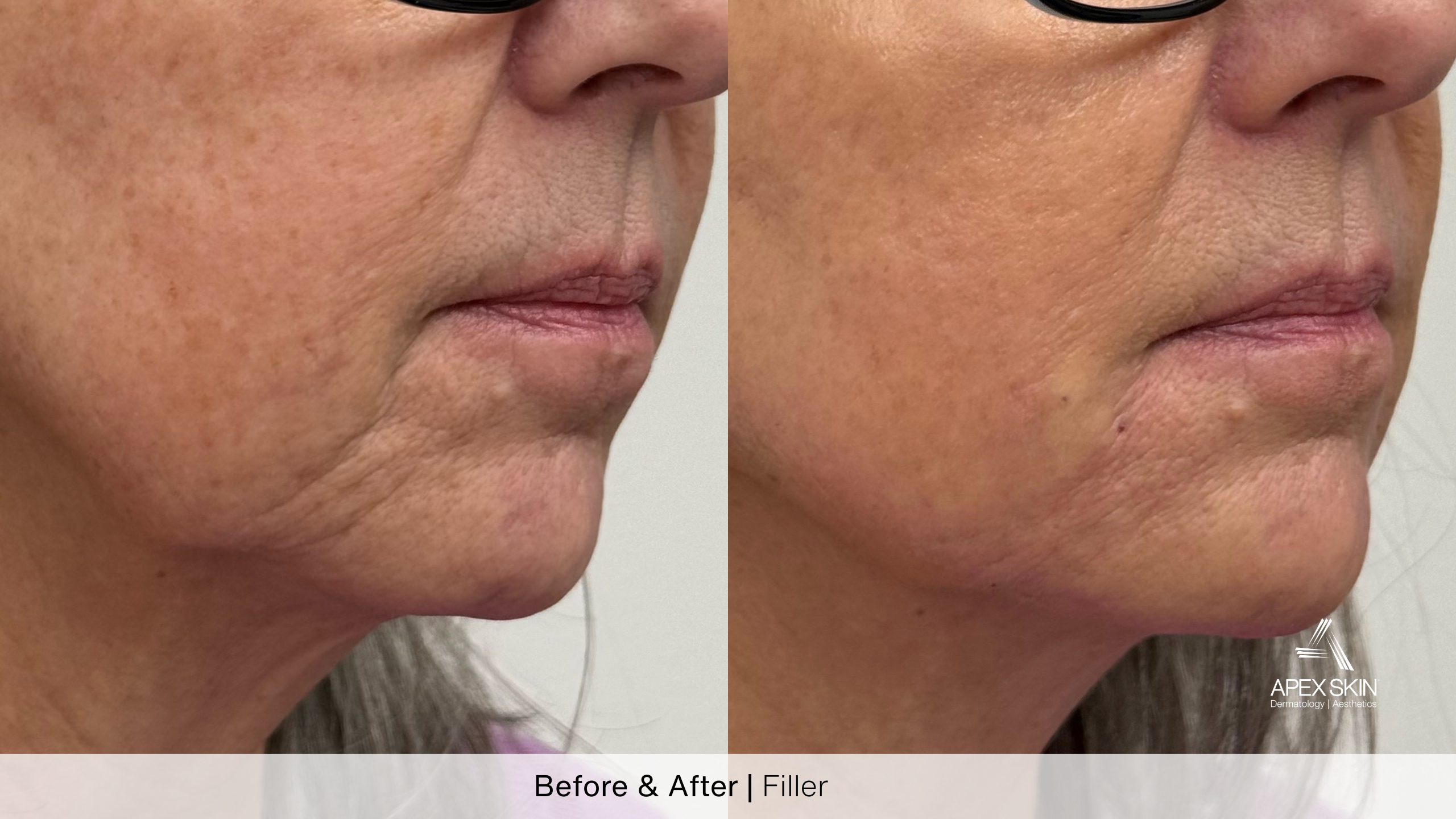
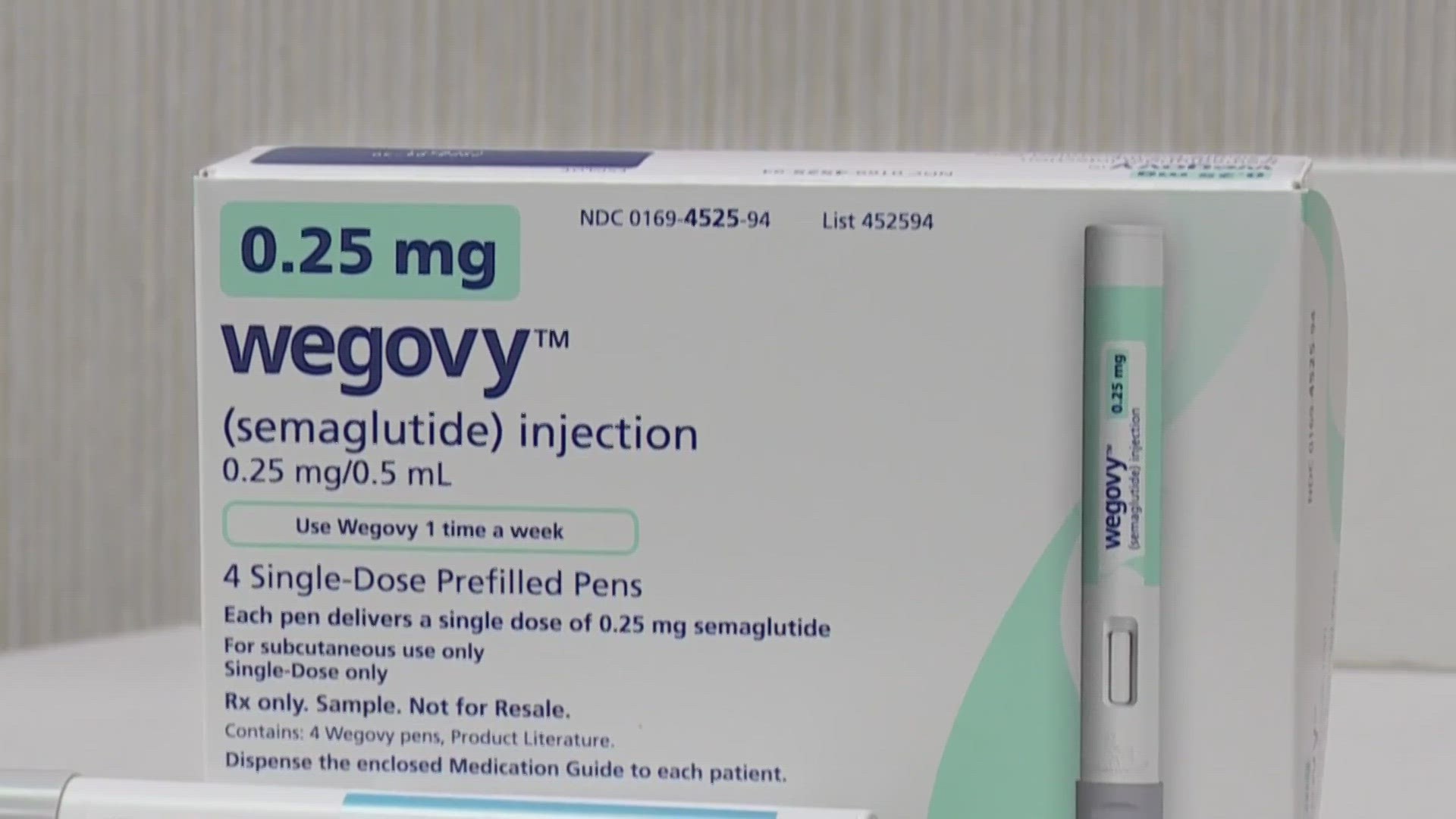
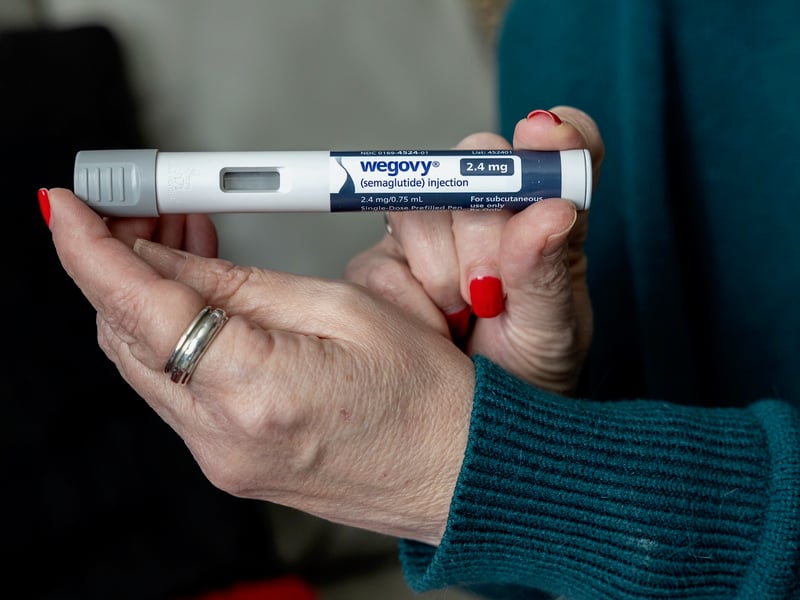
This involves starting at a lower dose and gradually increasing over time to help your body adjust, minimize side effects, and maximize benefits safely
Super refreshing taste when mixed with chilled water
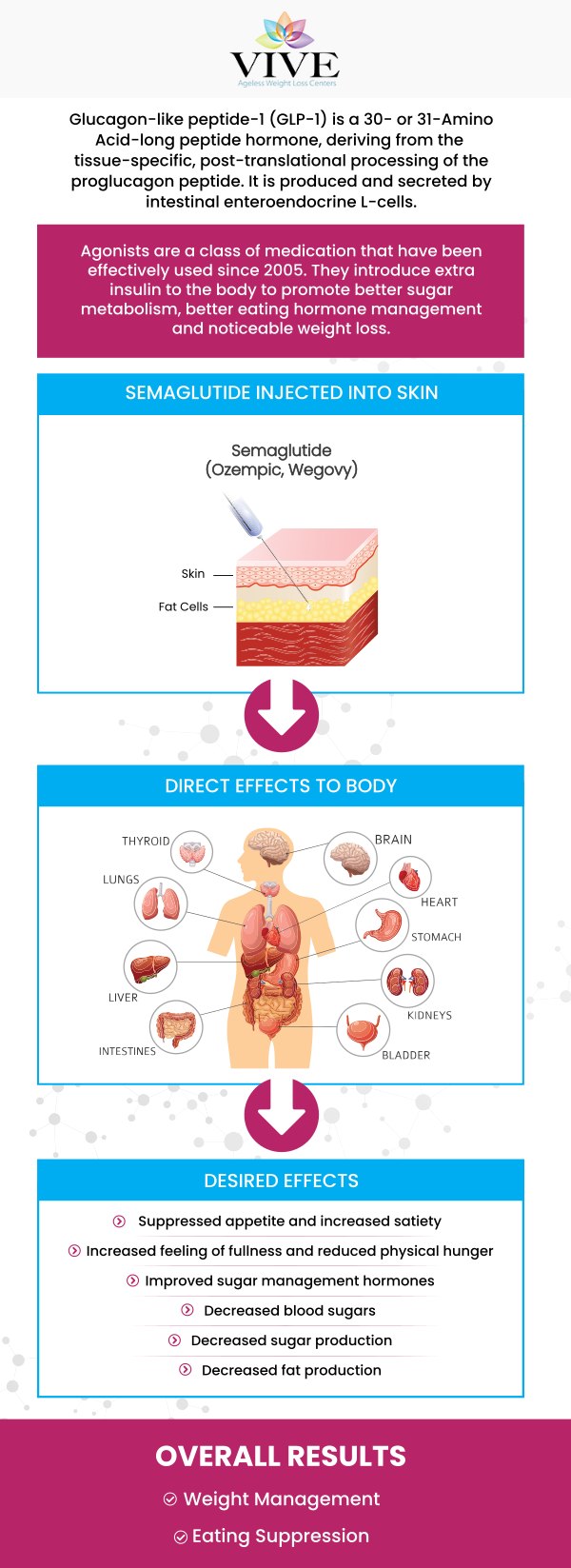
GLP-1 medications can help patients lose a significant amount of weight, improve blood sugar control in people with Type 2 diabetes, and lower the risk of obesity-related conditions such as heart disease and sleep apnea


















![Pokémon Night Unison Booster Box [SM9a] Japanese TCG –](http://card-binder.com/cdn/shop/files/pokemon-night-unison-booster-box-japanese-sun-and-moon.webp?v=1776188545)
![Garmin VHF 315 Marine Radio [010-02047-00] Automotive/RV](https://cdn.shopify.com/s/files/1/0499/1942/6726/products/72009XL.jpg?v=1605268181)