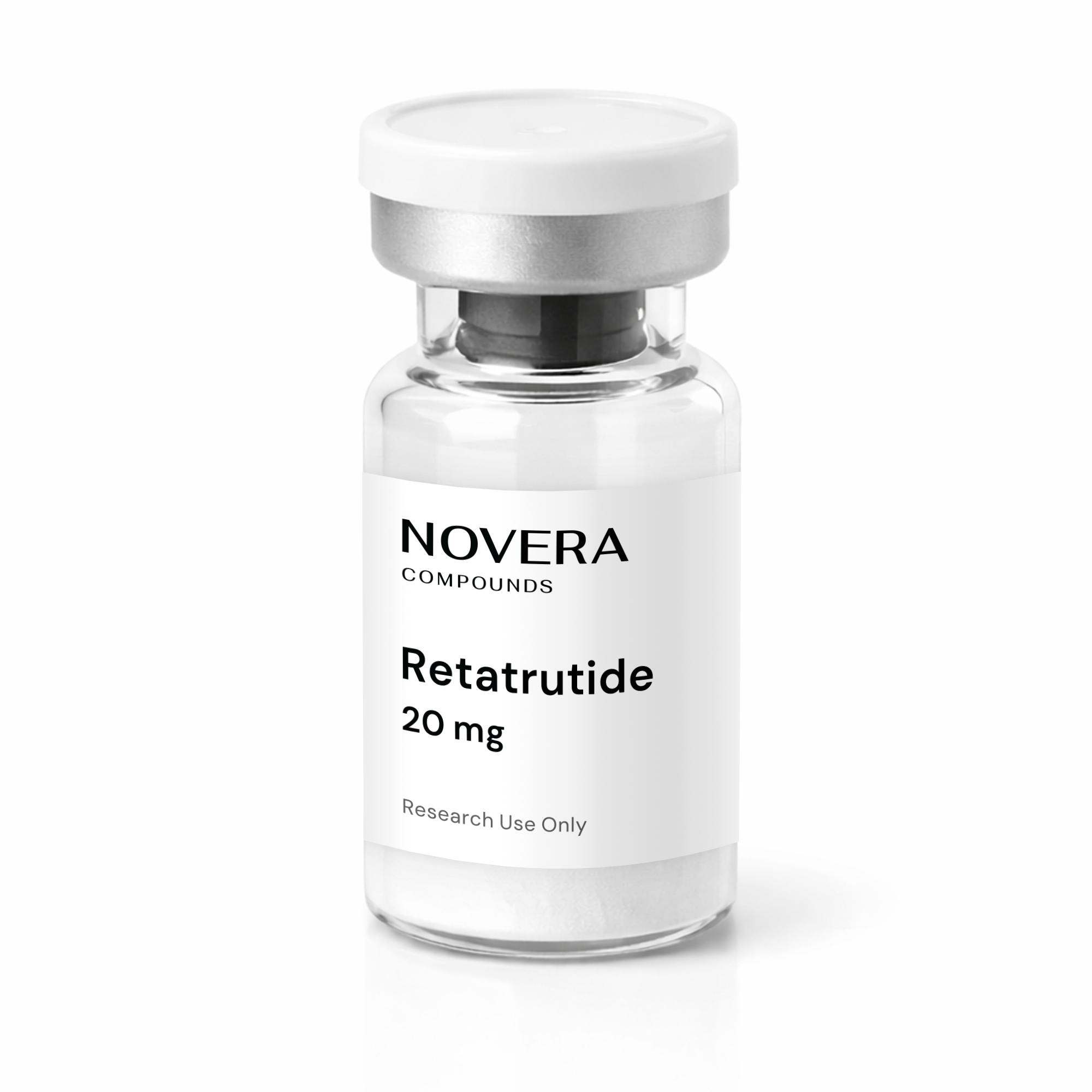
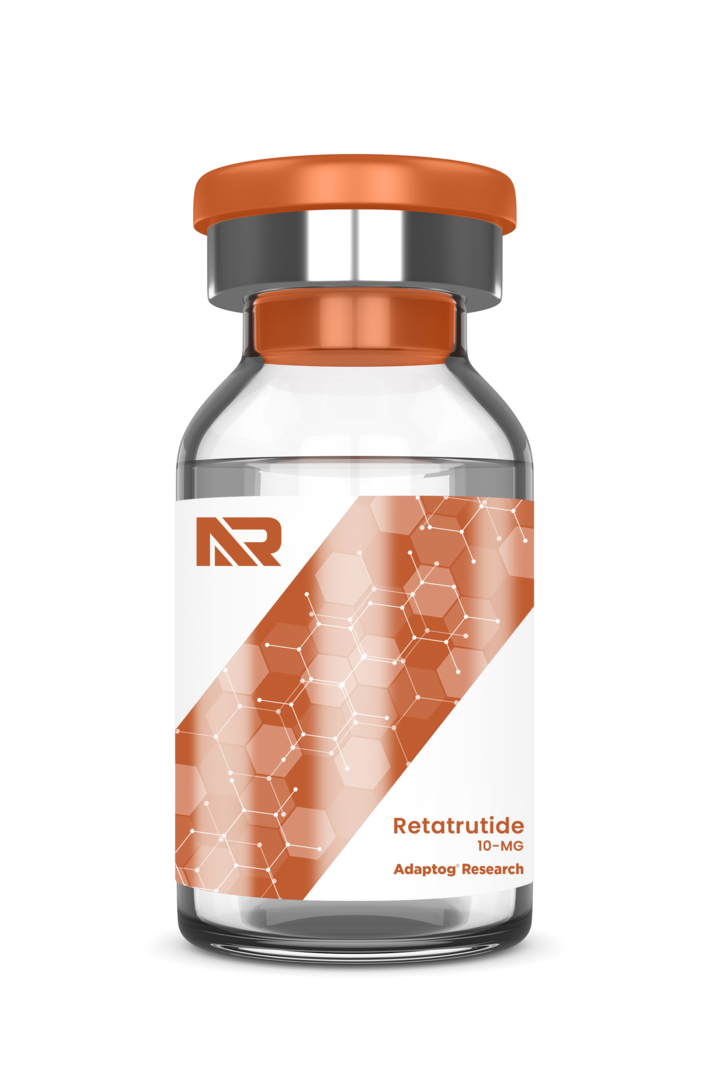
Research-grade peptides are manufactured for laboratory settings, are labeled "not for human use," and are not subject to the same regulatory oversight
Key Features Blend strength: BPC-157 10 mg + TB-500 10 mg per vial (20 mg total) Pack size: 10 vials/kit (bulk supply available on request) Format: lyophilized powder for stable storage and handling in lab workflows Supplier positioning: China-based factory supply with export-ready cartons and secure packing Documentation: batch labeling and order coordination support for repeat wholesale buyers Typical Research Focuses Recovery-support and tissue-repair pathway models (non-clinical, research settings) Mobility & training-load recovery study frameworks (protocol-based, lab handling required) Stack compatibility research and stability handling for lyophilized peptide formats General peptide handling, storage, and logistics workflows for distributors Packaging & Ordering Standard inner packing: 10-vial plastic trays with bubble wrap and foam protection Outer packing: export-ready cartons with insulation and protective materials suitable for international transit Flexible order quantities starting from 1 kit for sample evaluation
No EDTA
#2022-01018 and #2019-02397), the European Unions Horizon Europe research and innovation programme under grant agreement No 101053962, Swedish State Support for Clinical Research (#ALFGBG-71320), the Alzheimer Drug Discovery Foundation (ADDF), USA (#201809-2016862), the AD Strategic Fund and the Alzheimers Association (#ADSF-21-831376-C, #ADSF-21-831381-C, and #ADSF-21-831377-C), the Bluefield Project, Cure Alzheimers Fund, the Olav Thon Foundation, the Erling-Persson Family Foundation, Stiftelsen fr Gamla Tjnarinnor, Hjrnfonden, Sweden (#FO2022-0270), the European Unions Horizon 2020 research and innovation programme under the Marie Skodowska-Curie grant agreement No 860197 (MIRIADE), the European Union Joint Programme Neurodegenerative Disease Research (JPND2021-00694), the National Institute for Health and Care Research University College London Hospitals Biomedical Research Centre, and the UK Dementia Research Institute at UCL (UKDRI-1003)
To view a copy of this licence, visit About this article Cite this article Ryan, D.H., Lingvay, I., Deanfield, J